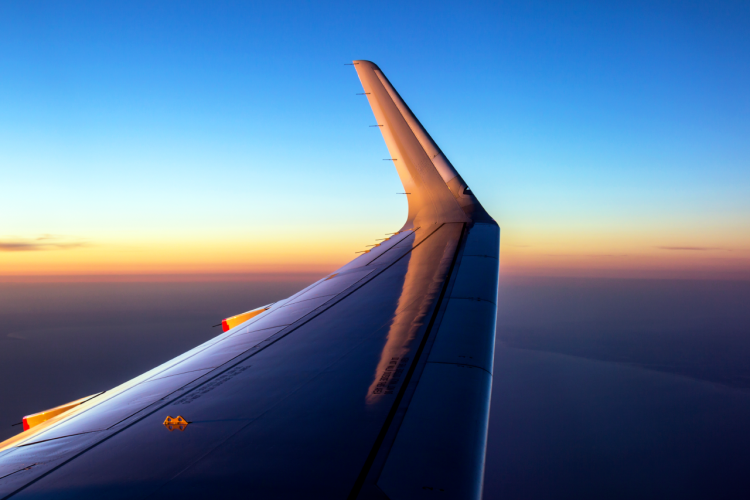
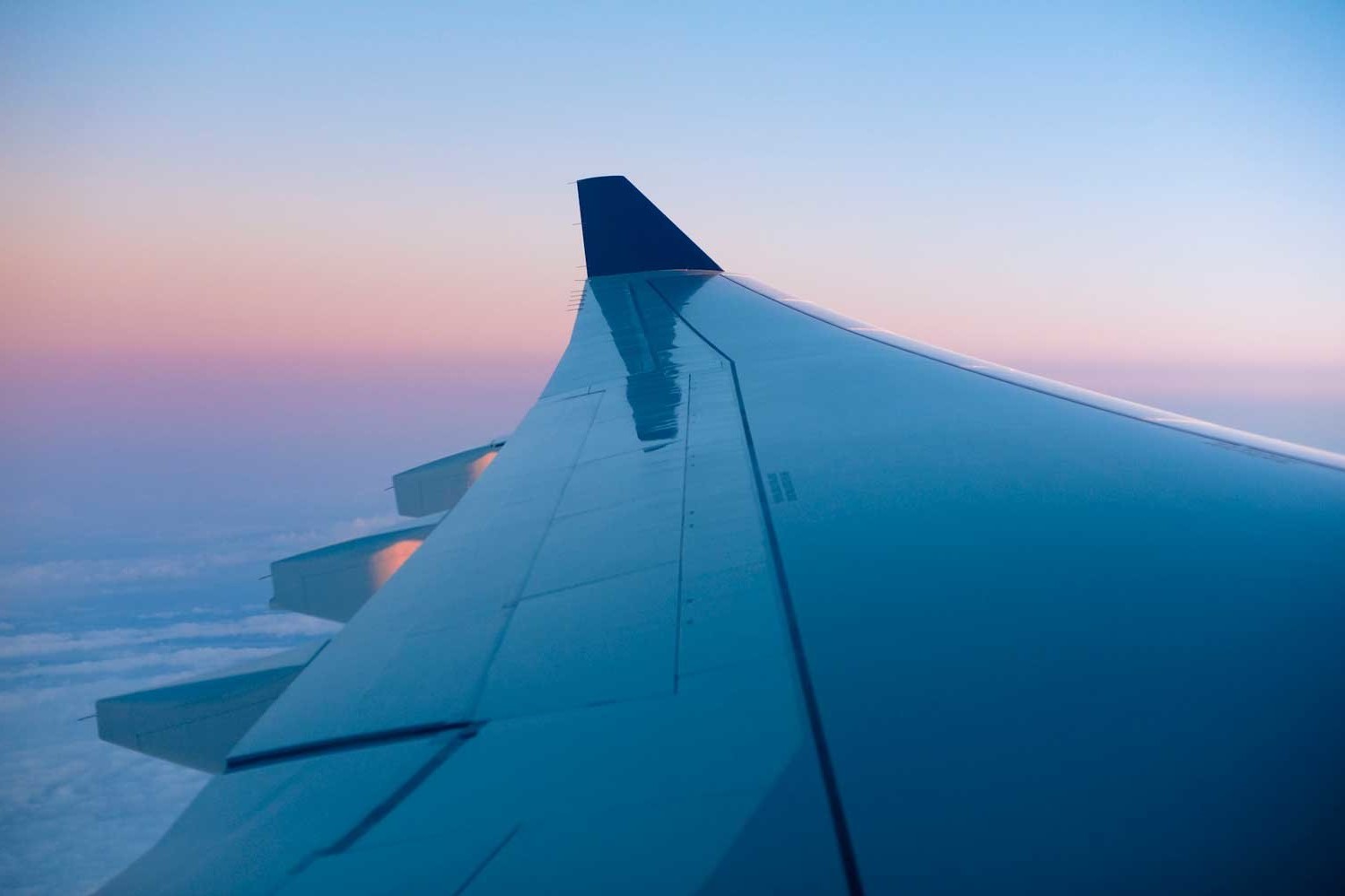
The problem of FLUTTER - coupled torsional and vertical oscillations. This phenomenon affects flexible structures in high speed wind, and there is a good read-across from aircraft wings to the decks of suspension bridges. Flutter occurs as a result of interactions between aerodynamics, stiffness, and intertial forces on a structure.
Aeroelastic Flutter
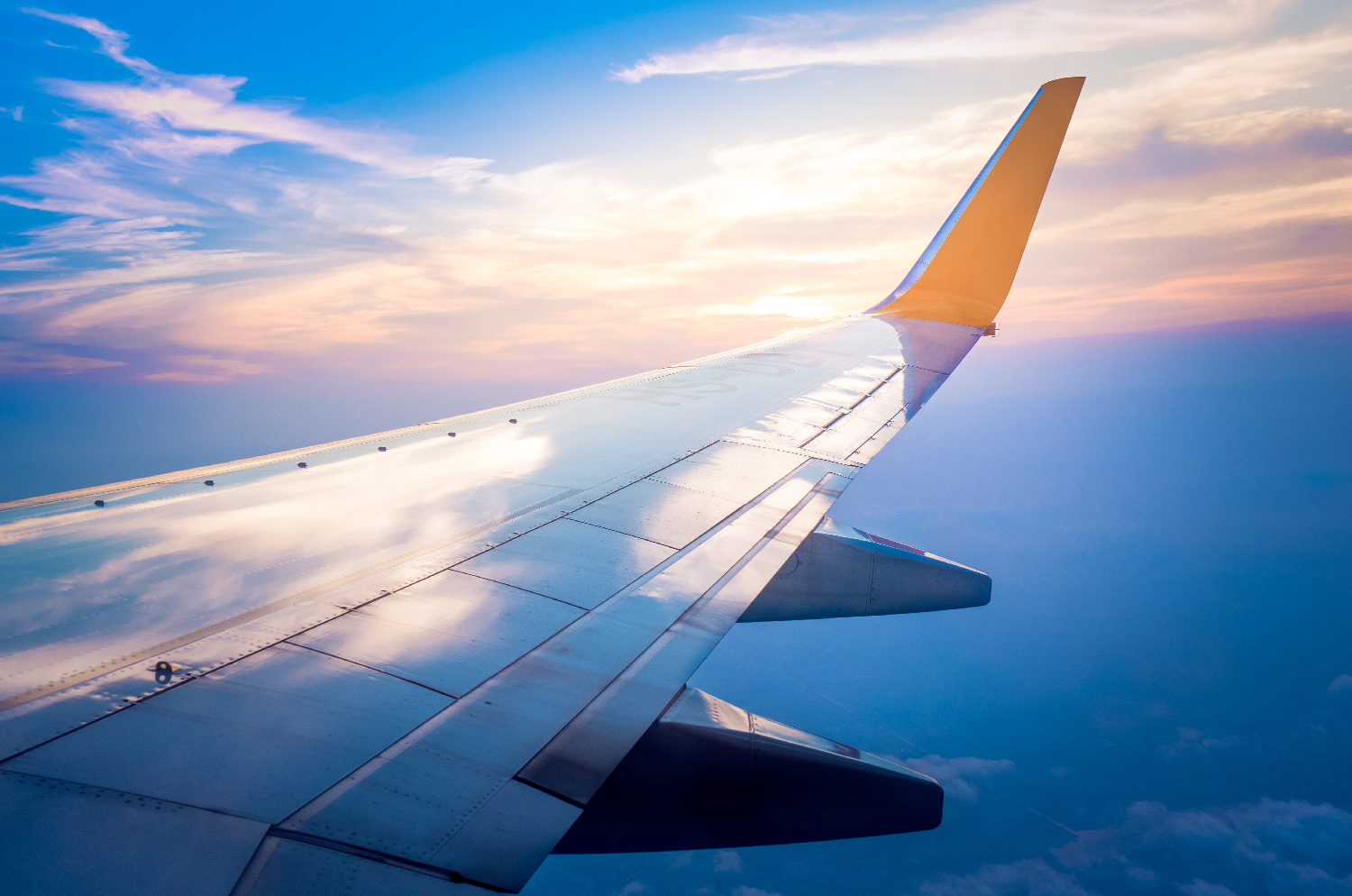
In an aircraft, as the speed of the wind increases, there may be a point at which the structural damping is insufficient to damp out the motions which are increasing due to aerodynamic energy being added to the structure. This vibration can cause strucural failure. Therefore, considering flutter characteristics is an essntial part of designing an aircraft
Effect on Suspension Bridges
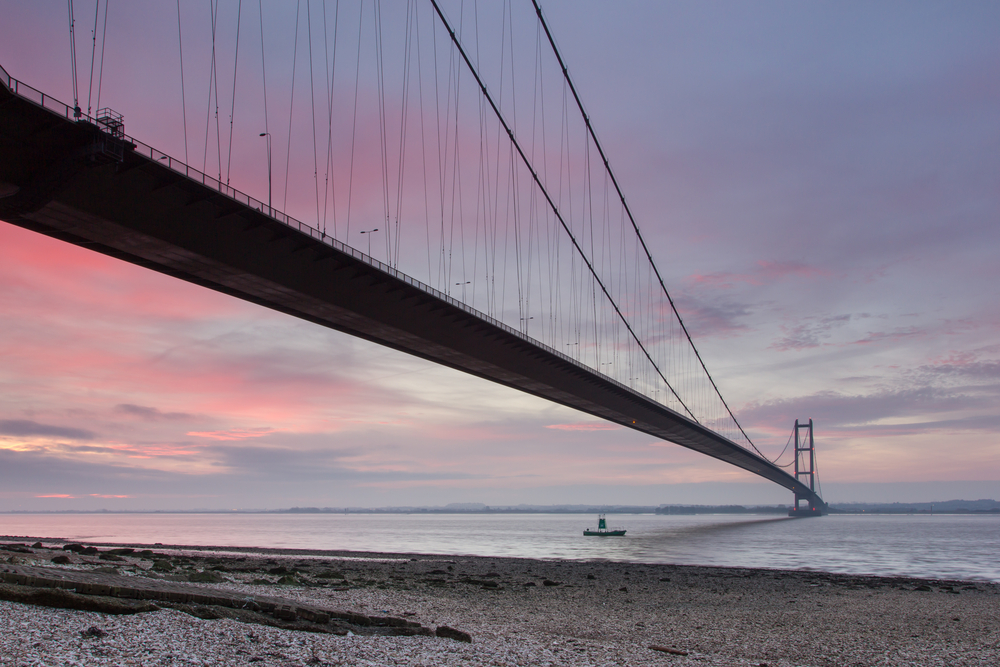
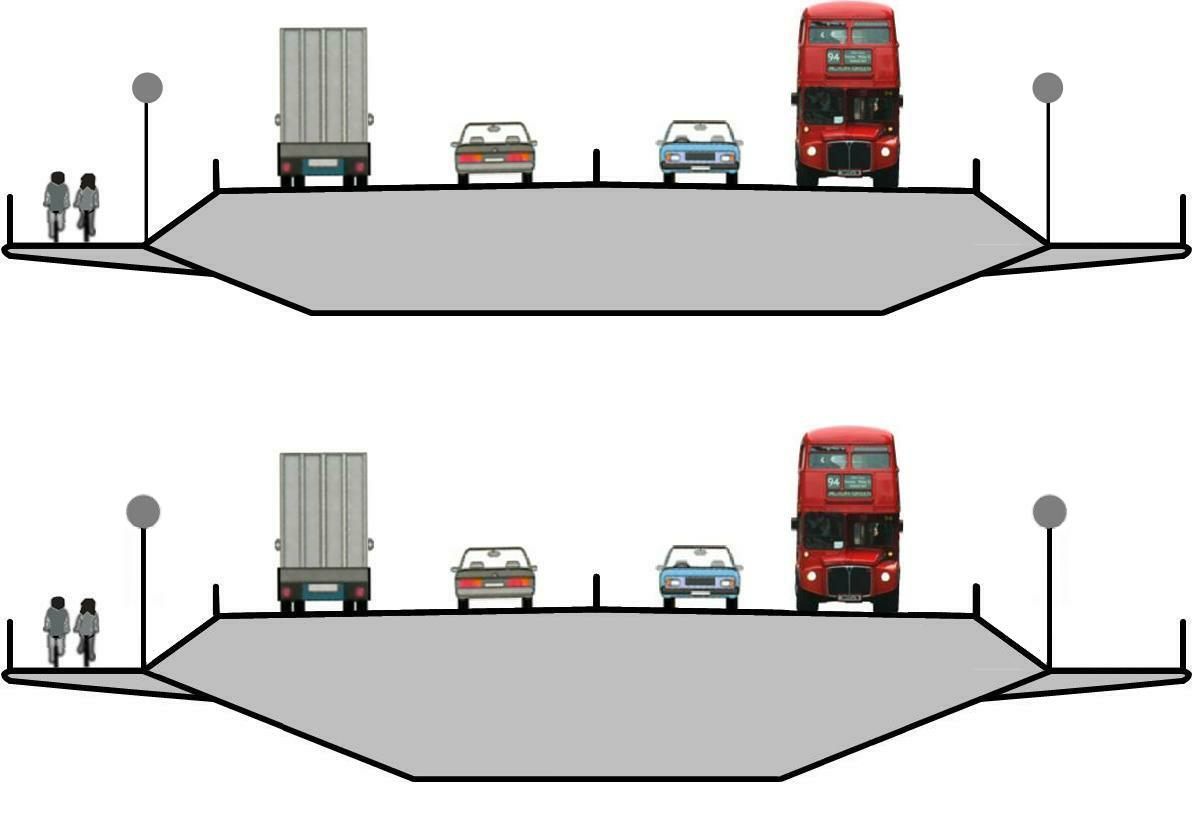
Humber Bridge deck is a development of the Severn Bridge deck where the torsional stiffness of the deck needed to be increased to avoid flutter at high wind speed. Both these decos are aerodynamically streamlined box girder designs
As the span is increased the torsional stiffness of the deck around the middle of the span progressively reduces which reduces the wind speed where flutter would occur. Hence the torsional stiffness of the Humber Bridge had to be increased to meet the flutter requirements. This increase of torsional stiffness of the deck was achieved by increasing the thickness of the deck from 3.0 metres to 4.5 metres.
- Severn Bridge span: 988 metres
- Humber Bridge span: 1410 metres
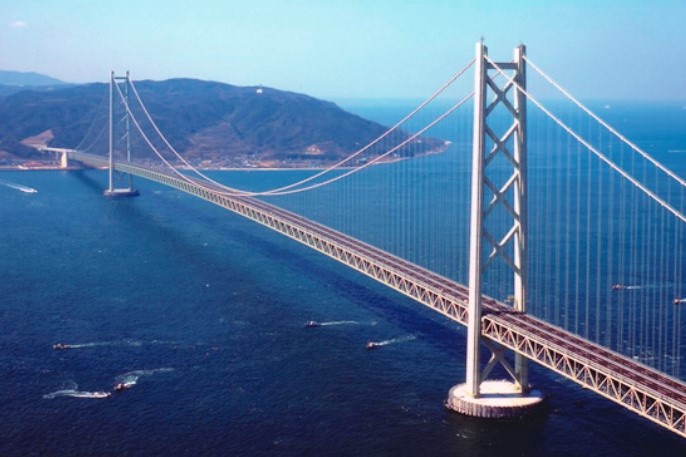
The longest span bridge in the world, the 1991 metres span Akashi-Kyoto Bridge in Japan has a very heavy trussed deck to provide sufficient torsional stiffness to meet its flutter requirements which would be difficult with a light box girder deck.